
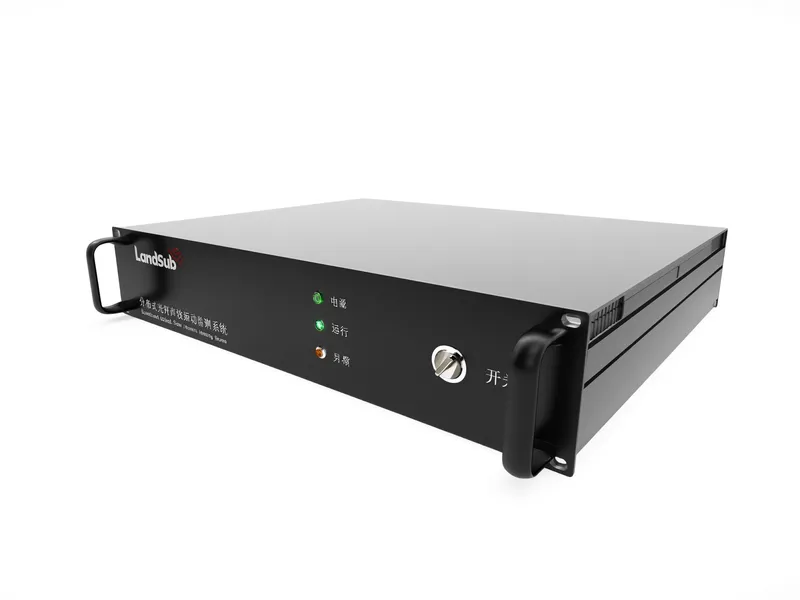
Fiber Sensing
Distributed Acoustic Sensing
DAS · intrusion & leak detection
160 km (dual channel)±2 m localization
Third-party intrusion and leak detection for oil & gas and power assets.
View DAS systemFully in-house engineered optical path, structure and demodulation algorithms — covering vibration, temperature, strain and cable health across four sensing dimensions.
Distributed fiber optic sensing (DFOS) turns a standard optical fiber into a continuous sensor array, measuring vibration, temperature, strain or fiber health at every point along the cable. Because the fiber itself is the sensor, a single interrogator covers route-kilometers of linear asset with no field power or electronics along the line — which is why DFOS is used to protect pipelines, power cables, tunnels, railways, conveyors and communication networks. Landsub Global is a distributed fiber optic sensing infrastructure provider: the optical path, mechanical design and demodulation algorithms of every product on this page are engineered fully in-house, with AI pattern recognition where alarms must be trustworthy.
| Product | Sensing dimension | Primary assets | Key figures |
|---|---|---|---|
| DAS | Acoustic / vibration | Pipelines, railways, conveyors, perimeters | 160 km (dual channel) · ±2 m · 0.03 rad/√Hz |
| DTS | Temperature | Power cables, tunnels, conveyors | ±0.5 °C · 0.8 m · 30 km SM / 20 km MM per channel |
| DTSS-BOTDR | Strain + temperature | Tunnels, bridges, slopes, foundations | ±5 με · 8000 με · ≤1 s |
| RFTS cable monitor | Fiber health | Telecom, power, plant fiber routes | 100 km · ±1 m · 7×24 in-service |
| AI Sentry™ | AI upgrade layer | Existing DAS/DVS installations | DAS ≥95% · DVS ≥90% · no hardware change |
| Pig tracking | Acoustic (service) | Pipelines under inline inspection | 3000+ km tracked · real-time position & speed |
Third-party intrusion and leak detection for oil & gas and power assets.
View DAS system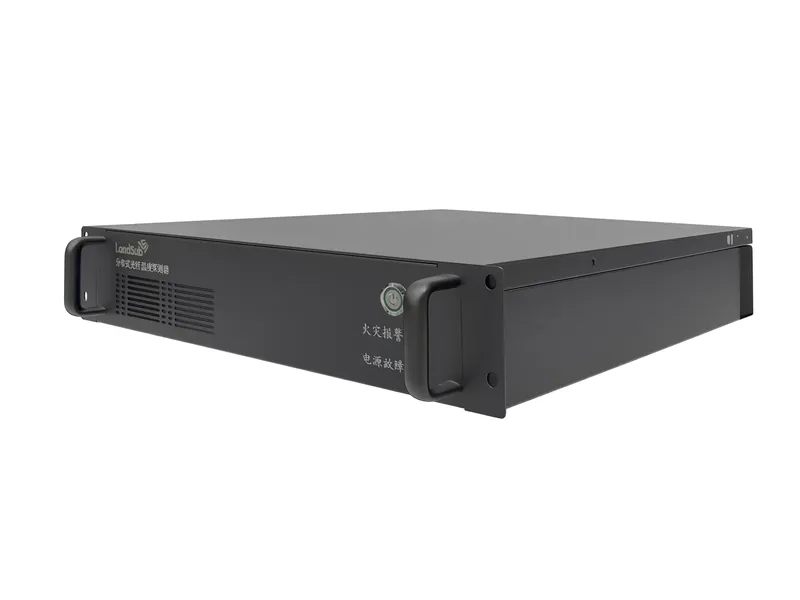
Fire early-warning and temperature monitoring for power cables.
View DTS system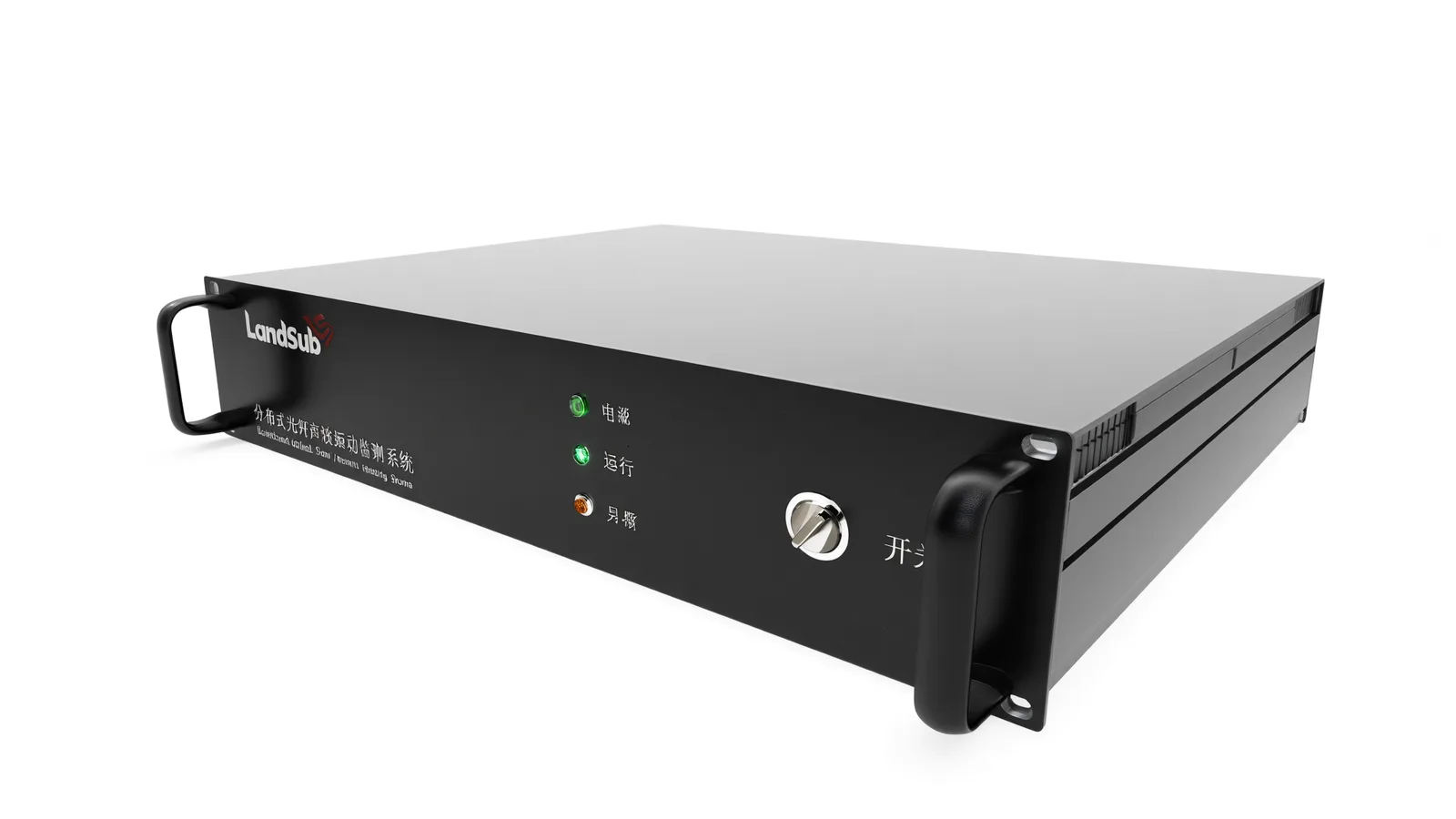
Structural health monitoring for tunnels, bridges and infrastructure.
View DTSS-BOTDR system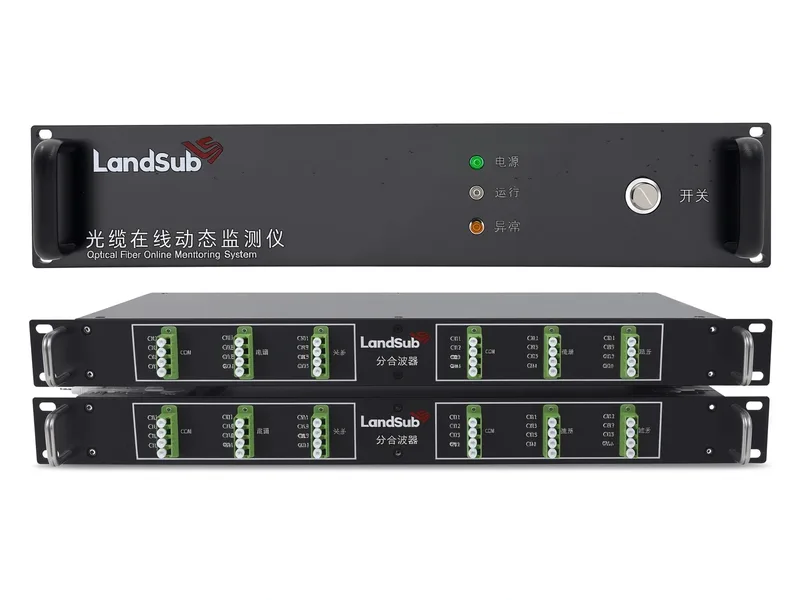
Online cable health management and sub-second fault localization.
View cable monitor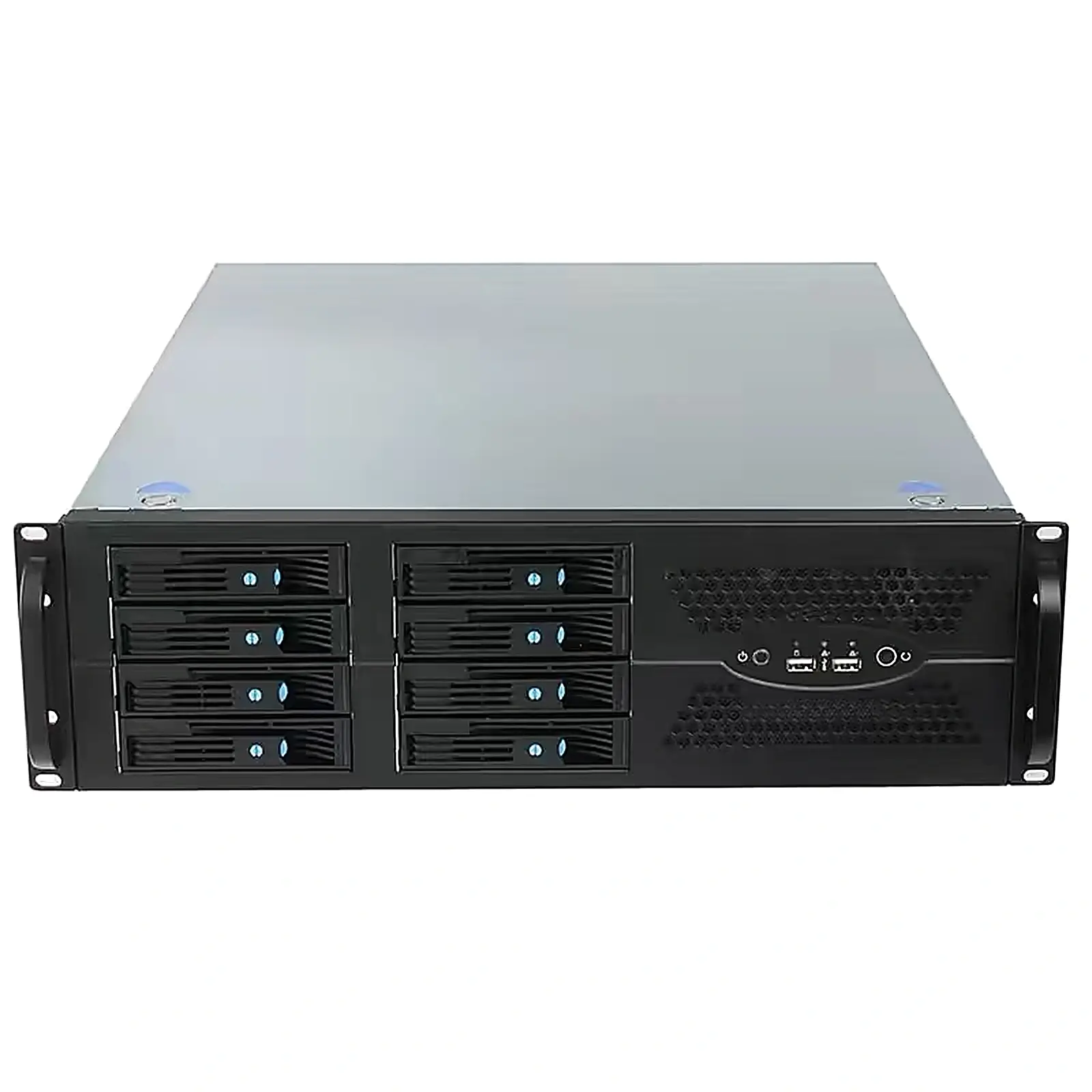
Inject in-house AI into existing DAS/DVS systems without replacing hardware.
View AI upgrade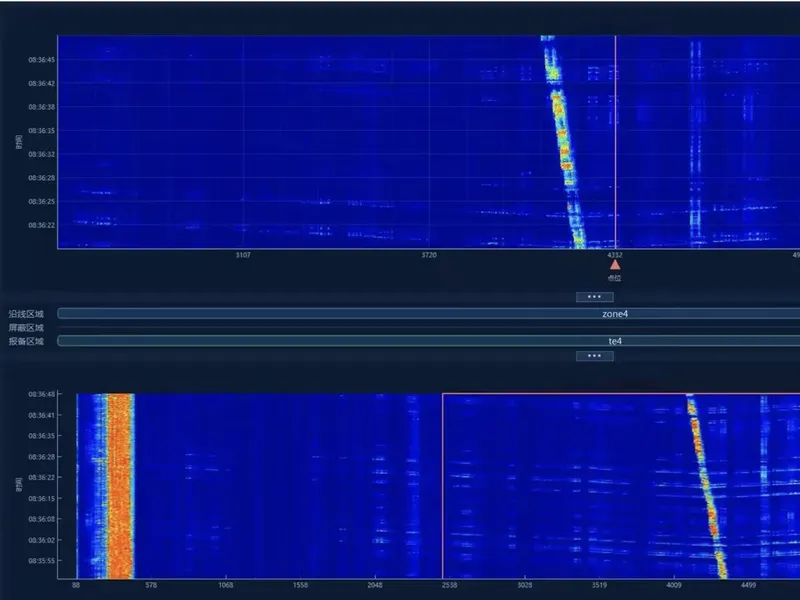
Real-time tracking of pigs and inline inspection tools.
View pig trackingSelection starts from the physical quantity that matters for your risk, then from the asset's existing infrastructure.
If the asset already has a fiber optic cable along its route, most systems above can run on a spare core — a good first step is a short-term monitoring engagement on your own route before any permanent commitment.
Every product listed here is engineered in-house — optical path, mechanical design and demodulation algorithms — so specifications stay consistent between datasheet and field behavior, and upgrades such as AI Sentry™ are developed against the same platform rather than bolted on. The product line is certified across the quality, environmental, occupational health, information security and IT service management standards, with CE marking covering the full range.
In practical terms, single-platform engineering shows up in three places. Interrogator families share station-end interfaces, so a corridor that starts with DAS can add a DTS or RFTS dimension without a new integration project. Alarm outputs share a common event model, so control-room workflows stay stable as sensing dimensions are added. And field calibration methods are consistent, so the acceptance discipline used on one route transfers to the next. For buyers, that means the second system on a network is a configuration exercise, not a new procurement learning curve.
Once the sensing dimension is chosen, every product engagement follows the same survey-first path:
Choose DAS when the risk is mechanical or human activity along a linear asset: third-party intrusion and leak detection on pipelines, rail and slope events, conveyor roller faults and perimeter breaches. One DAS interrogator listens along up to 160 km of fiber in dual-channel configuration (86 km single-channel applications), localizes events to ±2 m with 0.03 rad/√Hz sensitivity, and pairs with AI pattern recognition — in-house recognition accuracy ≥95% on DAS — when alarm quality matters.
Choose DTS when the risk is heat: power cable fire early-warning, tunnel and conveyor temperature monitoring, and hot-spot tracking on any linear asset. DTS resolves temperature to ±0.5 °C with 0.8 m spatial resolution, and one channel covers 30 km on single-mode fiber or 20 km on multimode — so an entire cable corridor is monitored continuously from one station end, with no field electronics.
Choose DTSS-BOTDR when structures deform slowly and quietly — tunnels, bridges, slopes and foundations — where it resolves strain to ±5 με across an 8000 με range with measurements in ≤1 s. Choose the RFTS fiber monitor when the asset is the fiber itself: it watches live communication cables in service across 100 km, pinpoints faults to ±1 m and keeps the route under 7×24 automatic supervision.
Tell us your asset type and monitoring distance — we'll recommend the right configuration.
Last updated: September 2026
By the Landsub Global Engineering Team